Categories
Bibliography

Endangered African Proverbs Collections: Bukusu (Kenya) Proverbs

Endangered African Proverbs Collections: Bukusu (Kenya) Proverbs


Art, Wit and Wisdom of African Proverbs: One Hundred Proverbs From The Bukusu Of Western Kenya

Collected and Explained by Monica Nalyaka Mweseli

Nairobi, Kenya — October, 2001
Nairobi, Kenya: Privately photocopied, 2001. 37 pages.

Reviewed by Joseph Kariuki

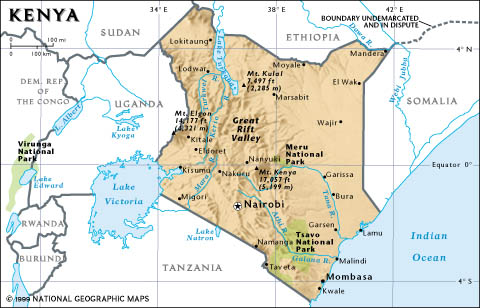
One of the follow-ups to the African Proverbs Project (1993-1996) is the collection of African proverbs in languages that are small, not well known or in danger of dying out. These are called “Endangered African Proverbs Collections.” A modest collection of around 100 proverbs in these languages is being carried out through our four Regional Resource Centers in Africa. The most recent example is Art, Wit and Wisdom of African Proverbs: One Hundred Proverbs From The Bukusu Of Western Kenya collected and explained by Professor Monica Nalyaka Mweseli. The research has been carried out under the direction of the Hekima College Library in Nairobi, Kenya, the Regional Resource Center in Eastern Africa. Bukusu is a language used in western Kenya.                     

In this collection, Mweseli uses a simple methodology where she renders the proverb in the Bukusu language followed by an English and Swahili translation. For some proverbs that she feels “are difficult to understand and to translate since they lack either meaningful English words for translation or do not match with relevant English words”, she offers some social-cultural explanations. This pamphlet collection is only the first phase of her research with the current pamphlet containing the first 100 proverbs arranged alphabetically from letter A to C. In the introduction to the collection, she shows a general application and use of proverbs drawing examples from Nigeria’s Chinua Achebe’s Things Fall Apart. Following this she says that Bukusu Proverbs can be used to help understand, “Bukusu’s spiritual and moral convictions, historical evidence, and even rules of etiquette” (page 3).

Professor Mweseli teaches literature at the University of Nairobi, Kenya College of Education and External Studies (CEES). E-mail: mmweseli@usiu.ac.ke

situs toto

Categories
Bibliography

Endangered African Proverbs Collections: Chagga (Tanzania) Sayings

Endangered African Proverbs Collections: Chagga (Tanzania) Sayings


One of the follow-ups to the African Proverbs Project (1993-1996) is the collection of African proverbs in languages that are small, not well known or in danger of dying out. These are called “Endangered African Proverbs Collections.” A modest collection of 100 to 200 proverbs in these languages is being carried out through our four Regional Resource Centers in Africa. This “Collection of 100 Chagga Sayings” was carried out in 2004-2005 under the direction of the Hekima College Library in Nairobi, Kenya, the Regional Resource Center in Eastern Africa. A summary of this booklet is as follows:

Endangered African Proverbs Collections
A Continuation of the African Proverbs Project

Collection of 100 Chagga Sayings (Njaambo 100 za Kichakha)

Collected and explained by Michael Mushi

Arusha, Tanzania: Privately Duplicated, June, 2005. 18 pages

Reviewed by John P. Mbonde

The compiler of this collection is Father Michael Mushi, A.J., a member of the Apostles of Jesus Religious Congregation, who lives at Tengeru in Arusha Region in northern Tanzania. He hails from Hai district where the Kiuru dialect of the Chagga language is spoken. The Chagga people live at the foot of the famous and tallest mountain in Africa, Mt. Kilimanjaro. The Chagga people’s history is full of prosperity particularly in areas of education, economy, and social infrastructure development including the early missionary evangelization and the development of Christianity. The Chagga people are considered to be very good businesspeople, administrators and leading entrepreneurs. This ethnic group has diversified cultural heritages enhanced by the historically renowned Mt. Kilimanjaro that is one of the centers of tourist attraction in Tanzania

This ethnic group has three dialects that are basically culturally and linguistically connected: Kirombo in Rombo district; Kivunjo in Vunjo district; and Kiuru in Hai district. By and large, the three dialects have many things in common. That is why the contextual meaning of each dialect is easily understood by all the speakers of the three Chagga dialects through their unique cultural and economic activities. In this collection the sayings have been arranged in the following manner: Kiuru/Kivunjo/Kirombo. This is followed by the literal Swahili translation and the English translation. For example, No. 3:

A nkilyi kora ivo mcharenyi, kochaakia ivo mraraonyi? (Kiuru)
An kiilyi oora ipfo mchareny, kocheakiya ipfo mraraony? (Kivunjo)
Nikili wata chamba cha maru a mshare kwaenda chamba cha maru a mtoto? (Kirombo)
Kwa nini umeacha shamba la ndizi mshale (za kupika), ukaingia katika shamba la ndizi za mraro (za kuivisha)? (Swahili)
Why did you pass by the plantain (cooking and eating bananas) garden and enter into the general bananas garden? (English)

These Chagga sayings dwell specifically on economic and traditional activities. As the agriculture is the main economic activity in Kilimanjaro Region there are quite a number of sayings based on farming and animal husbandry activities and products, e.g. No. 3, 18, 19, 46, 58, 63, etc. There are also cultural sayings, myths, beliefs, e.g., No. 2, 4, 10, 11, 12, 15, 22, 27, etc. All in all, these sayings are very useful in everyday life not only among the Chagga people but as well are applicable to other ethnic groups inside and outside Tanzania, Africa and the world at large. Indeed, they also have a pedagogical role to play in society, particularly in bringing up children. A good example is No. 18 that encourages all people to work in order to earn their living: What God gave us is only a machete and a hoe. This is true to every Tanzanian to use such tools in agriculture to grow both food and cash crops. Indeed, agriculture is the backbone of the country’s economy. No. 70 says Mdu o mrasa nguo ya kawi in Kiuru that is Jirani ni nguo ya pili in Swahili and A neighbor is a second cloth in English. This saying teaches any given community to respect one another.

It would have been very useful if Mushi would have also compiled the explanations on their daily use of these sayings so that the wisdom with which they carry would have been vividly understood more widely. This is challenge for the other Chagga groups to come out with their concrete observations.

Mushi has collected 100 Chagga sayings and has classified them into three most dominant Chagga dialects: Kirombo in Rombo district; Kivunjo in Vunjo district; and Kiuru in Hai district. But by and large, they have many things in common, that is why the contextual meaning of each dialect is easily understood by all the three Chagga dialects through their unique cultural and economic activities. In this collection, the sayings have been arranged in the following manner by a bar: Kiuru/Kivunjo/Kirombo. After that each saying is literally translated into Swahili language and finally into English.

Reviewed by John P. Mbonde

situs toto

Categories
Bibliography

Endangered African Proverbs Collections: Gusii (Kenya) Proverbs: Volume I

Endangered African Proverbs Collections: Gusii (Kenya) Proverbs: Volume I


Collected and Explained by Evans K. Nyakundi

Nairobi, Kenya — May, 2001

Nairobi, Kenya: Privately photocopied, 2001. 41 pages.

                    One of the follow-ups to the African Proverbs Project (1993-1996) is the collection of African proverbs in languages that are small, not well known or in danger of dying out. These are called “Endangered African Proverbs Collections.” A modest collection of around 100 proverbs in these languages is being carried out through our four Regional Resource Centers in Africa. The most recent example is a “Collection of 80 Gusii (Kenya) Proverbs” collected and explained by Evans K. Nyakundi. The research has been carried out under the direction of the Hekima College Library in Nairobi, Kenya, the Regional Resource Center in Eastern Africa. Gusii is a language used in Southwestern Kenya.

In the “Introduction” Nyakundi states:

The Gusii people articulated philosophies of life that were communicated through riddles, folktales, songs, poems and proverbs that were kept a live through oral transmission from generation to generation. Observing the cultural norms and values means pleasing God and the ancestors. The mythology of proverbs dominated the society and relinquished their capacity for choice and passive acceptance in their way of solving their needs and nature within the society. It helped them to move from a sense of fatalism to critical consciousness where they defined their own solutions and views on how life was to be approached.

After discussing culture and the significance of proverbs Nyakundi comments under the section on “Incarnation”:

There is a way that seems right to a man, but its end is the way to death (Proverbs 16:25). Timokunguta ekerandi tigaria enduranerio means do not empty the guard but remain the fermenter. There will be no taste for the fresh milk in the guard unless the old milk left in the guard ferments it. Jesus is wisdom incarnate and presents himself as the living one. He died and behold he is alive for evermore and he has the keys of death and Hades (Wisdom 7:15-20).

The plan of this collection of Gusii proverbs is as follows:

1. Original proverb in the Gusii language.
2. Theme or subject in Gusii.
3. Literal English translation.
4. Explanation in English.
5. Scripture parallel.

Some examples of the Gusii Proverbs are:

No. 22: Banto mbaumerani, mbitunwa bitariko’umerana. (Gusii)
             People meet but mountains do not meet. (English)

            No. 37: Chinguru chia abamura nchogu egwatia mbara. (Gusii)
             The strength of human beings [together] is like an elephant splitting wood. (English)

            No. 70: Engoko enganga tiyanya goturagia bichuchu. (Gusii)
             The hen that never stays in the nest never hatches the chicks. (English)

            No. 77: Enyoni nigo ekorora omote ekogwa. (Gusii)
             The bird knows the tree that it will land on. (English)

Evans K. Nyakundi
Hekima College Library
P.O Box 21215
Nairobi, Kenya
E-mail: Nyakundi<library@insightkenya.com>

situs toto

Categories
Bibliography

Endangered African Proverbs Collections: Which way to evangelization in Africa? Gusii proverbs with English translations and scriptural parallels: Volume II

Endangered African Proverbs Collections: Which way to evangelization in Africa? Gusii proverbs with English translations and scriptural parallels: Volume II


By Evans Nyakundi
Reviewed by Joseph Kariuki

This new collection of endangered African proverbs is the latest collection by Evans Nyakundi. The collection of 321 Gusii (Kenya) proverbs marks the end of the second phase of Nyakundi’s work of collecting and consolidating Gusii proverbs. He had previously collected eighty (80) proverbs and it is revealing to note that his second phase has yielded 241 more proverbs. This work is a testimony that there are still more and more uncollected proverbs that are out there which could go down to waste if they are not put together even in the simple format that the Endangered African proverbs collections take, of privately duplicating and bidding.

The collection takes a simple format of writing the proverb in the original Gusii language, offering an English translation and explanation. The collection is enriched further with biblical parallels each of the Gusii proverbs which was perhaps the most enormous task to Evans in this collection. The format Nyakundi has adopted eases the work of proverbs user’s who have interest in practical inculturation. The notion of inculturation is further enhanced through the incorporation of other important social cultural aspects of the Gusii people such as the social structure of the community, religious ceremonies and rites as well as steps in marriage, all with Christian equivalent. Other inclusions are compass directions, days of the week and months of the year all in Gusii and English translations.

Evans Nyakundi is a librarian with Hekima college (Nairobi, Kenya) which is also the regional centre for African proverbs project in East Africa.

situs toto

Categories
Bibliography

Endangered African Proverbs Collections: Kuria (Kenya, Tanzania) Proverbs

Endangered African Proverbs Collections: Kuria (Kenya, Tanzania) Proverbs


One of the follow-ups to the African Proverbs Project (1993-1996) is the collection of African proverbs in languages that are small, not well known or in danger of dying out. These are called “Endangered African Proverbs Collections.” A modest collection of 100 to 200 proverbs in these languages is being carried out through our four Regional Resource Centers in Africa.

A “Collection of 104 Kuria Proverbs” has just been carried out under the direction of the Hekima College Library in Nairobi, Kenya, the Regional Resource Center in Eastern Africa. Kuria is an important language but not known enough. The plan of this collection of Kuria proverbs is as follows:

Original proverb from the Kuria language (in alphabetical order):

                  3.   Swahili translation

4.    English translation

5.    Meaning of the proverb

6.    Application/use of the proverb

7.    Biblical application

A summary of the “Front Page” of the booklet of these 104 Kuria Proverbs is printed below.

Endangered African Proverbs Collections
A Continuation of the African Proverbs Project

Collection of 104 Kuria Proverbs

Northwestern Tanzania near Lake Victoria and
Southwestern Kenya in East Africa

Collected and Explained by Emmanuel P. Chacha

Research Committee
Maryknoll Language School
P. O. Box 298
Musoma, Tanzania

June, 1999

situs toto

Categories
Bibliography

Endangered African Proverbs Collections: Longo (Tanzania) Proverbs

Endangered African Proverbs Collections: Longo (Tanzania) Proverbs


Collection of 193 Longo Proverbs (Geita District around the southern part of Lake Victoria in Northwestern Tanzania). Collected by Joseph Nkumbulwa with the help of Max Tertrais, M. Afr. in conjunction with the Sukuma Research Committee, Bujora, Tanzania. Endangered African Proverbs Collections: A Continuation of the African Proverbs Project. Mwanza, Tanzania: Privately Duplicated, November, 2002.

situs toto

Categories
Bibliography

Endangered African Proverbs Collections: Matengo (Tanzania) Proverbs

Endangered African Proverbs Collections: Matengo (Tanzania) Proverbs


Matengo (Tanzania) Proverbs and Sayings. Collected and explained by Rev. Egino Ndunguru. Endangered African Proverbs Collections: A Continuation of the African Proverbs Project. Dar es Salaam, Tanzania: Privately Duplicated, 2005. 42 pages.

situs toto

Categories
Bibliography

New book: Wisdom from the Ngoni Proverbs

New book: Wisdom from the Ngoni Proverbs


Announcement of a New Book in the Endangered African Proverbs Series
(A Continuation of the African Proverbs Project)

Wisdom from the Ngoni Proverbs

Collected and explained by John P. Mbonde

70 pages
Dar es Salaam, Tanzania: Duplicated
June, 2004

                   This collection has a total of 107 Ngoni proverbs. The Ngoni people live in the Songea District in Ruvuma Region of southwest Tanzania. They are culturally and linguistically connected with many other Bantu ethnic groups, but primarily claim their origin to be Zululand, Natal in South Africa.

                    Although African ethnic groups have always been clinging to their indigenous traditions and other cultures, they have many proverbs which have the same or similar common meanings as if they were brought up under one common syllabus curriculum of formal education. The teaching element that exists in each proverb is relevantly useful today, as it was ever from time immemorial of human history.

                    Each proverb is written in Kingoni and then translated into Kiswahili and English. Effort has been made in providing some background and explanation on everyday use. Some biblical parallels have been provided for each proverb. But other people may equally use other parallels according to the need and relevant occasions and situations.

                    In the introductory note the caption for the photograph of the Wangoni Chiefs in chains is this sad statement: The Wangoni Chiefs were sent to the gallows on 27 February, 1906 by the German Military Administration in Songea town, Ruvuma Region. The Germans took gold, artifacts and other valuable traditional materials to their museums in Germany. But the proverbs, dances, songs, ngomas, stories and other cultural rituals and activities could hardly be taken away.

situs toto

Categories
Bibliography

Endangered African Proverbs Collections: Ngoreme (Tanzania) Proverbs

Endangered African Proverbs Collections: Ngoreme (Tanzania) Proverbs


One of the follow-ups to the African Proverbs Project (1993-1996) is the collection of African proverbs in languages that are small, not well known or in danger of dying out. These are called “Endangered African Proverbs Collections.” A modest collection of proverbs and other types of African oral literature in these languages is being carried out through our four Regional Resource Centers in Africa. The most recent example:

A “Collection of 10 Ngoreme (Tanzania) Proverbs, 1 Song and 2 Stories” has just been carried out under the direction of the Hekima College Library in Nairobi, Kenya, the Regional Resource Center in Eastern Africa. Ngoreme is a language that is not well known. The plan of this collection of 10 Ngoreme proverbs is as follows:

1. Original proverb from the Ngoreme language.

2. Literal Swahili translation.

3. Literal English translation.

4. Figurative Swahili translation.

5. Figurative English translation.

6. Explanation.

7. Biblical Parallels.

8. Use.

The plan of this collection of 1 Ngoreme Song and 2 Stories is as follows:

1. Title of the original song or story from the Ngoreme language.

2. Swahili translation.

3. English translation.

4. Explanation.

5. Biblical Parallels.

6. Use.

Some examples are:

1.    Ngoreme Proverb:

Utamirhe ya mokorho, urhagenda bwirhe. (Ngoreme)
Kama ukikataa la mkubwa utatembea kutwa nzima. (Swahili)
If you refuse the elder’s advice you will walk the whole day. (English)

Further explanation of this proverb can be found in the “African Proverb of the Month” for March, 2000 on the African Proverbs, Sayings and Stories Website (http://www.afriprov.org).

2.    The song is called The Child’s Relatives Have Arrived. The Biblical Parallel is the birth of Jesus Christ in Matthew 2. For an application to the African Celebration of Christmas see pages 96 -97 in Towards An African Narrative Theology.

3.    The first story is called The Volatile Hunter Caused God And the Sky To Move Up Into the Atmosphere. The Biblical Parallel is the story of Adam and Eve in Genesis 3. For a further explanation of this Ngoreme Creation Myth see pages 63-64 in Towards An African Narrative Theology.

4.    The second story is called The Young Hero Killed the Monster Thus Saving His Family. The Biblical Parallel is the story of Jesus Christ, our savior and king (see Luke 2 and Philippians 2). For a Sukuma (Tanzania) story of a young hero and a monster see The Myth of Masala Kulangwa and the Monster Shing’weng’we on the “Bibliography Page” under “Resources.”

————–

The “Front Page” of this booklet of 10 Ngoreme (Tanzania) Proverbs, 1 Song and 2 Stories is printed below:

Endangered African Proverbs Collections
A Continuation of the African Proverbs Project

Collection of 10 Ngoreme (Tanzania)
Proverbs, 1 Song and 2 Stories


Northwestern Tanzania Near Lake Victoria and the Serengeti National Park

Collected and Explained by Petro S. Makuru

With the help of Dr. Deogratias Mwita (Deputy Minister for Local Government and Regional Administration) and Mr. Christopher Elkington (News Editor of the Sunday Observer and Financial Times)

June, 2000

situs toto

Categories
Bibliography

Endangered African Proverbs Collections: Rundi (Burundi) Proverbs

Endangered African Proverbs Collections: Rundi (Burundi) Proverbs


Collection of 100 Rundi (Burundi) Proverbs. Collected by Jean Nyandwi. Endangered African Proverbs Collections: A Continuation of the African Proverbs Project. Nairobi, Kenya: privately printed, October, 2003. 29 pages.

situs toto