
 |
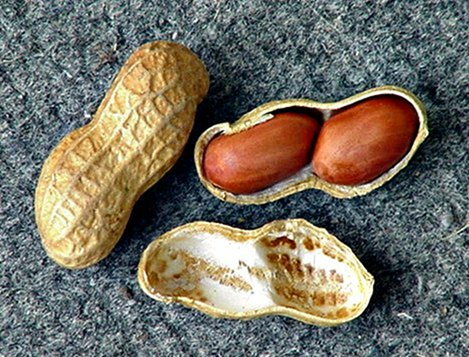
Mutima wa mwâmi mwema wabisa byîngi. (Lega) Moyo wa kiongozi ni ganda la karanga ambalo huficha mambo mengi. (Swahili) Le cœur du chef c’est la gousse d’arachide qui cache beaucoup de choses. (French) The heart of the leader is the pod of the groundnut that hides a lot of things. (English) |
Lega (DRC) Proverb
Background, Meaning and Everyday Use
The Lega ethnic group, also known as the Warega, is primarily located in the eastern part of the Democratic Republic of the Congo (DRC), particularly in the South Kivu province. The Lega people are known for their rich cultural heritage, which includes a variety of artistic expressions such as sculpture, music, and dance. Their traditional society is organized around clans and kinship ties, with a strong emphasis on communal living and cooperation.
Historically, the Lega have been involved in agriculture, hunting, and gathering. They cultivate crops such as cassava, maize, and beans while also engaging in trade with neighboring communities. The Lega’s social structure is matrilineal; lineage and inheritance are traced through women. This aspect of their culture influences various social practices and norms within their communities. Proverbs play a significant role in Lega culture as they serve as a means of communication that conveys wisdom, moral lessons, and cultural values. These sayings are often used in everyday conversation to provide guidance or to emphasize a point during discussions. Proverbs encapsulate collective experiences and knowledge passed down through generations.
The use of proverbs among the Lega is not merely decorative; it serves practical purposes in education and conflict resolution. Elders often employ proverbs to teach younger generations about acceptable behavior and societal expectations. For instance, proverbs may address themes such as respect for elders, community solidarity, or caution against greed.
Moreover, proverbs can be context-specific; they may vary depending on social situations or particular challenges faced by individuals or communities. This adaptability allows them to remain relevant across different contexts while preserving core cultural values. Proverbs among the Lega ethnic group function as essential tools for communication that reinforce social norms and impart wisdom from one generation to another.
The Lega proverb The heart of the leader is the pod of the groundnut that hides a lot of things suggests that a leader’s true feelings, intentions, and complexities are often concealed beneath their outward appearance. Just as a groundnut pod contains seeds that are not visible from the outside, a leader may possess hidden qualities, thoughts, or emotions that are not immediately apparent to others. This implies that understanding a leader requires looking beyond surface-level observations and recognizing the depth and intricacies of their character.
The proverb emphasizes that leaders may not always reveal their true selves or motivations openly. It highlights the multifaceted nature of leadership, where various attributes and experiences shape a leader’s decisions and actions. The saying encourages followers or observers to seek deeper insights into a leader’s character rather than making judgments based solely on external behavior. The groundnut pod serves as a metaphor for protection and concealment, suggesting that valuable qualities may be hidden within.
Biblical Parallels
Matthew 7:16: “By their fruit you will recognize them,”
Proverbs 29:2: “When the righteous thrive, the people rejoice; when wicked rule, the people groan.”
1 Samuel 16:7: “But the Lord said to Samuel, ‘Do not consider his appearance or his height, I have rejected him.’”
Proverbs 4:23: “Above all else, guard your heart, for everything you do flows from it.”

Contemporary Use And Religious Application
This proverb can be interpreted as a reminder that leaders often possess hidden depths, complexities, and potential that may not be immediately visible. Just as the pod of a groundnut conceals its valuable seeds within, a leader’s true qualities such as empathy, wisdom, and integrity may not always be apparent at first glance. This understanding encourages followers to look beyond surface appearances and recognize the multifaceted nature of leadership.
The proverb can also serve as a guiding principle in various organizational settings. Because it deeply emphasizes the importance of assessing leaders based on their actions and decisions rather than superficial traits. It advocates for fostering an environment where leaders are encouraged to reveal their true selves and share their insights with their teams. This approach can lead to more authentic relationships between leaders and followers, ultimately enhancing collaboration and trust within organizations.
This Lega proverb resonates with many spiritual teachings that emphasize the importance of inner character over outward appearances. The Bible highlights that true leadership is rooted in moral integrity and selflessness. “By their fruit you will recognize them,” suggests that one should evaluate individuals based on their actions rather than mere words or appearances.
Moreover, many religious traditions teach that leaders are called to serve others selflessly. The hidden qualities within a leader’s heart such as compassion and humility are essential for effective stewardship.
The proverb also invites reflection on personal growth within spiritual contexts. Just as the groundnut pod protects its seeds until they are ready to sprout, Christians are encouraged to cultivate their inner virtues before revealing them to the world. This aligns with many religious practices focused on introspection and character development. The teachings surrounding this proverb underscores the significance of recognizing hidden qualities in leadership while promoting values such as integrity, service, and personal growth.
Text and photos by:
Elias Bushiri Élie
Nairobi, Kenya
+254 7414 97556 (WhatsApp)
+254 7359 73276
ebushiri@gmail.com (Skype)
e.bushiri@yahoo.com
Eli@s B. Élie (Facebook)